No results found. Please try a different search.
-2.jpg?width=736&height=479&name=News%20web%20page%20images%20(1)-2.jpg)
As ISS First Nations Engagement Manager – Energy & Resources, Murray collaborates with leaders, communities and Traditional Owners to support Aboriginal and Torres Strait Islander employment across some of Australia’s largest and most remote operations. Based in Perth, his work also extends into aviation security. In both sectors, his focus goes well beyond helping people into jobs – it is about creating the conditions for people to stay, grow and succeed.
Across his work, Murray has seen encouraging progress. More organisations are investing in traineeships, apprenticeships, mentoring and culturally appropriate employment programs. There’s also increasing recognition that long-term success relies on genuine partnerships with communities and creating workplaces where First Nations people feel culturally safe and supported. But he believes the real work begins after someone is hired.
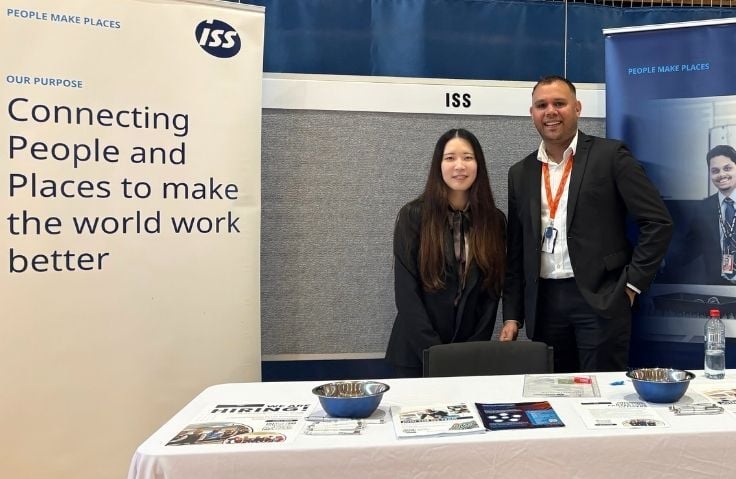
“Recruitment is only the first step. Retaining people, investing in their development and creating clear pathways into supervisory, management and leadership roles is where lasting change happens.”

Murray Riley
First Nations Engagement Manager, ISS Australia & New Zealand
For Murray, meaningful progress goes beyond good intentions. It comes from working with communities and Traditional Owners to create opportunities that reflect local priorities and aspirations – and from ensuring those opportunities translate into lasting careers, leadership pathways and culturally safe workplaces.
“Meaningful progress is measured by tangible outcomes – more First Nations people gaining employment, progressing into leadership, influencing decision-making, and feeling culturally safe and respected at work.”
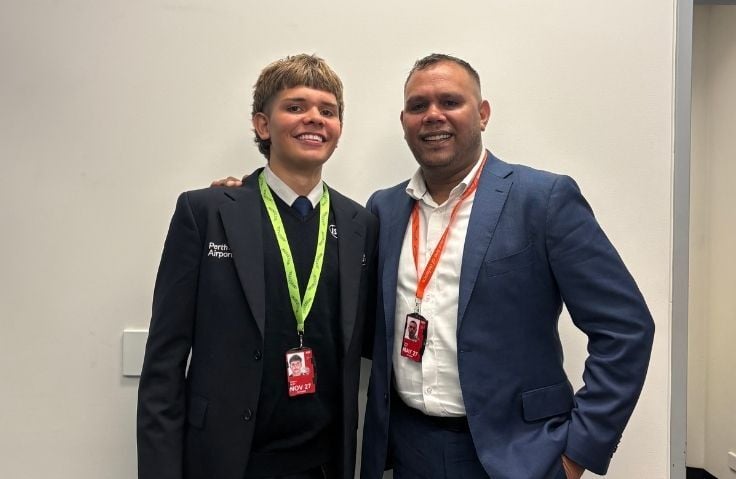
His commitment is reflected beyond his role with ISS. Since 2018, Murray has supported the NAIDOC Perth Miss & Mr NAIDOC Program and now serves on the Board of Directors for NAIDOC Perth. Through the program, he helps young Aboriginal and Torres Strait Islander people build confidence, strengthen their leadership skills and deepen their connection to culture and community.
As Australia celebrates 50 years of NAIDOC, Murray sees the milestone as both a moment to reflect on progress and a reminder of the work still ahead.
“Creating opportunities for First Nations people must be more than a commitment on paper,” he says. “It needs to translate into real employment, career development and leadership opportunities.”
Success, he believes, is when First Nations employment is no longer viewed as a target to achieve, but as a normal part of how organisations recruit, develop and support their people. When First Nations employees can see people who look like them succeeding in leadership, it builds confidence that those opportunities are possible for them too.
To Murray, creating opportunities today is about creating possibilities for future generations. It’s about helping people build careers, step into leadership and inspire others to follow the same path.
“When First Nations voices are genuinely valued at every level of an organisation, that's when we know meaningful progress is being made.”