No results found. Please try a different search.
How we work
Environmental sustainability
At ISS, sustainability is central to how we care for people, places and the planet. As a global leader in facility management, we recognise that the scale of our operations brings a responsibility for the world we leave tomorrow.

how we deliver
Our Net Zero pathway
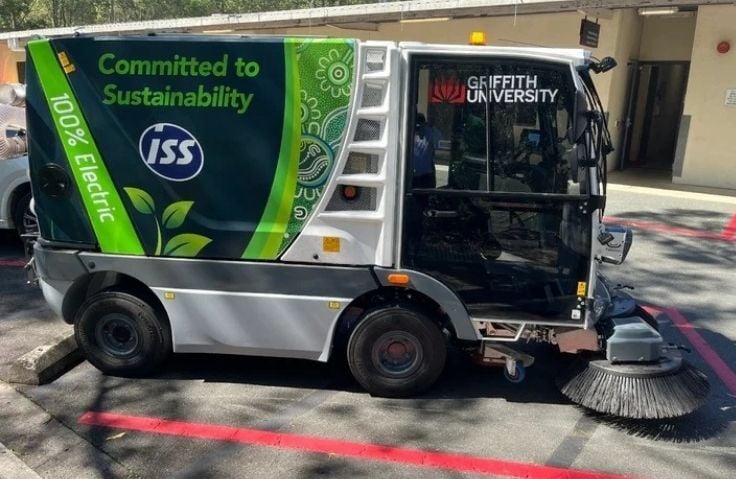
ISS is committed to Net Zero Scope 1 and 2 emissions by 2030, and full Net Zero, including Scope 3, by 2040. These targets are validated by the Science Based Targets initiative (SBTi) and guide how we manage energy, fleet and sourcing across our operations.
We use tools such as Watershed, a carbon accounting platform, to measure and manage value‑chain emissions and inform our Climate Transition Plan. This data‑led approach helps prioritise the most impactful emissions reductions and supports more reliable Scope 3 reporting for our clients.

Decarbonising client operations
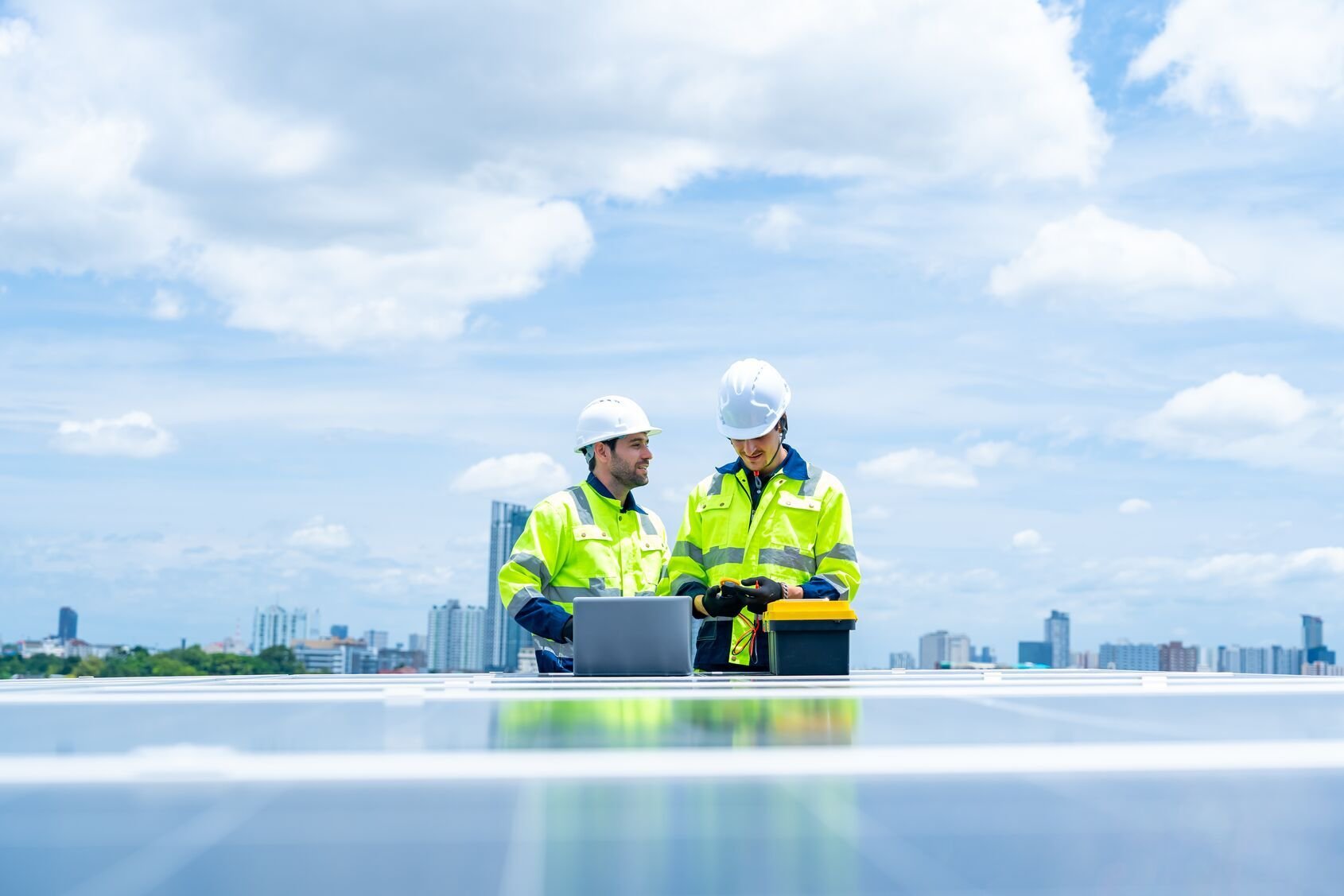
Helping clients decarbonise is central to our role. Our Placemakers work inside some of the region’s most resource-intensive facilities, giving us deep insight into system behaviour and where efficiency gains can be unlocked. We support clients through a structured approach: aligning with sustainability goals, refining building management settings, performing ongoing commissioning, and ensuring assets run efficiently throughout their lifecycle.
Data integrity and reporting
Reliable data supports meaningful climate action. We apply disciplined governance to ensure the data we manage is accurate and suitable for assurance. Our reporting aligns with emerging AASB/XRB climate disclosure standards for Australia and New Zealand, supporting clients with audit-ready, high-quality data that strengthens their own reporting obligations.
A shared commitment
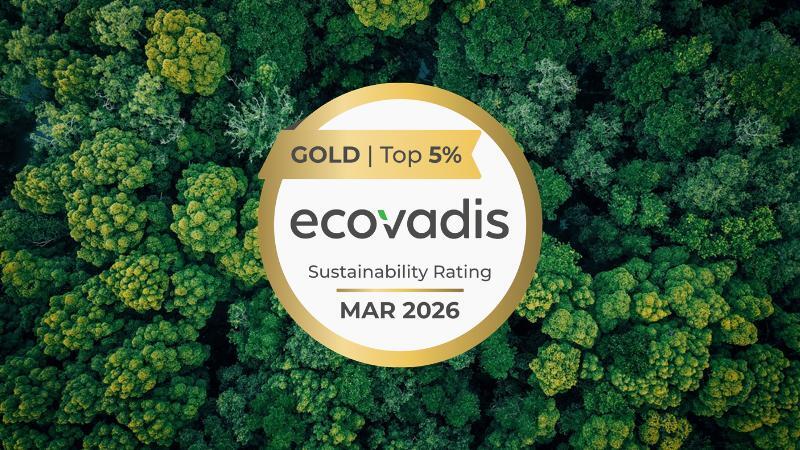
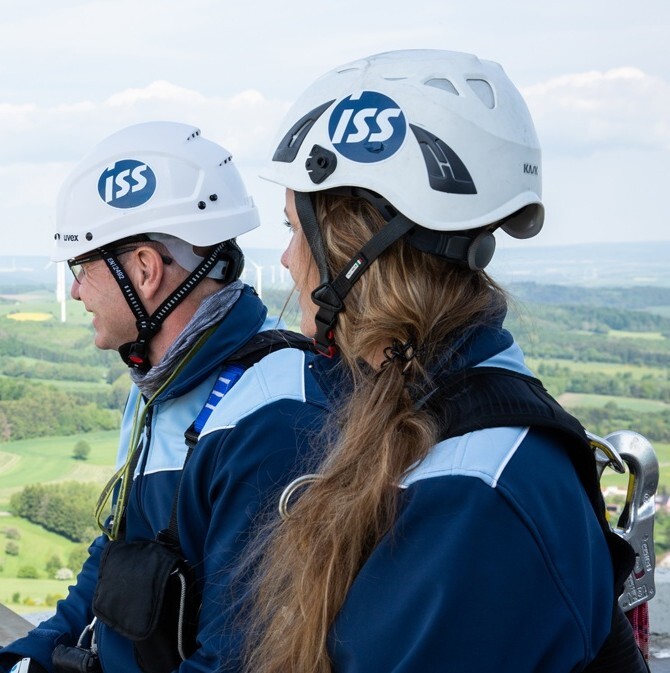
Sustainability at ISS is a shared commitment – delivered in partnership with our Placemakers, clients, suppliers and communities. By combining global leadership with disciplined local action, we help create facilities that support people, protect the planet and perform for the long term. Our EcoVadis Gold rating reflects this commitment, placing ISS in the top 5% of companies assessed globally and recognising our leadership in sustainability and responsible business practices.








.jpg?width=800&height=457&name=The%20image%20showcases%20a%20modern%20office%20space%20filled%20with%20natural%20light%20featuring%20open%20workstations%20with%20ergonomic%20chairs%20and%20sleek%20desks%20Lush%20green%20plants%20are%20strategically%20placed%20throughout%20the%20area%20creating%20a%20%20(1).jpg)
Get in touch
How can we support your sustainability goals?
Connect with our sustainability team about practical ways to reduce emissions and strengthen environmental performance across your facilities.